Browney Font: Sweet Display Type for Makers
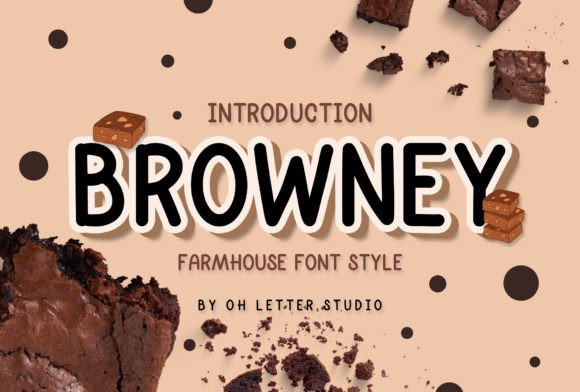
Browney is a distinctive display font that immediately captures attention with its bold, cute, and neat aesthetic. As a creator who spends hours perfecting the visual identity of handmade goods, I found that this typeface brings a unique sense of sweetness and deliciousness to every project it touches. Whether you are designing logos, branding materials, or packaging for a small business, Browney offers a striking visual appeal that feels both playful and professional. This review explores how these fonts perform in real-world crafting scenarios, from sticker sheets to boutique labels.
Using Browney for Sweet Snack Packaging and Food Branding
Browney looks bold, cute, neat, and striking font characteristics make it an ideal choice for food-related branding. When I tested this typeface on mockups for homemade cookie jars and artisanal chocolate boxes, the result was instantly inviting. The font expresses sweetness naturally, mirroring the delightful experience of enjoying snacks and deliciousness. For makers who sell edible treats, bakery items, or gourmet gifts, using Browney on your packaging can significantly enhance the perceived quality and emotional appeal of your products. The rounded edges and confident weight of the letters ensure that your brand name stands out on crowded shelves or in online shop listings. It is not just a font; it is a design tool that communicates flavor and joy before the customer even tastes the product.
Enhancing Logo Design and Short Name Visibility
This font is perfect for designs, logos, branding, packaging, short name and crafty applications where clarity and charm are equally important. In my experience, long paragraphs can overwhelm decorative typefaces, but Browney shines when used for short names and titles. I applied it to a series of minimalist logo concepts for a hypothetical candle studio, and the short, punchy names looked incredibly balanced. The neat structure of the letters prevents the design from feeling cluttered, while the bold strokes ensure readability even at smaller sizes. For crafters using cutting machines like Cricut or Silhouette, this font cuts cleanly without losing its character, making it excellent for vinyl decals on mugs, tote bags, or storefront signs. However, it is crucial to remember that this is a display font, so it should be reserved for headlines and key branding elements rather than body text.
Crafting Invitations and Greeting Cards with Browney
When preparing invitation mockups for birthday parties or baby showers, Browney adds a layer of warmth and personality that standard sans serif fonts often lack. The font’s ability to express sweetness makes it particularly suitable for events centered around celebration and joy. I used it to design a set of digital printable invitations, pairing it with a simple, clean sans serif font for the event details. This combination created a harmonious balance, allowing Browney to handle the decorative heavy lifting while ensuring that dates and times remained easy to read. For stationery designers and printable creators, this approach offers a practical solution for maintaining professional standards while injecting creative flair. The font works beautifully on cardstock, providing a tactile sense of quality that recipients appreciate. It is a versatile asset for anyone looking to elevate their greeting card collections or custom invitation services.
Readability Tips for Small Stickers and Product Labels
While Browney is striking, understanding its limitations is key to successful implementation. I tested the font on small circular stickers intended for product sealing, and I found that it performs best when the text is kept minimal. For very tiny cuts or dense label information, such as ingredient lists or technical instructions, a simpler font is more appropriate. Browney thrives in spaces where it can breathe, such as on large tote bag prints, welcome signs, or prominent packaging headers. When using it for physical merchandise, always check the readability at actual size before finalizing your design. This practical step ensures that your branding remains effective and accessible to all customers. By respecting the font’s display nature, you can avoid common pitfalls and create designs that are both beautiful and functional.
Building Brand Identity with Consistent Typography
Consistency is the cornerstone of strong brand identity, and Browney helps maintain this across various platforms. From social media graphics to web design elements, using this font creates a cohesive visual language that customers can recognize and trust. I incorporated Browney into a suite of marketing materials, including Instagram post templates and email headers, and the result was a unified and engaging brand presence. The font’s modern typography style appeals to a wide audience, from young parents to trendy boutique shoppers. For small shop owners and Etsy sellers, this consistency can lead to increased customer recognition and loyalty. By weaving Browney into your overall design strategy, you create a memorable impression that sets your handmade products apart from mass-produced alternatives. It is a powerful tool for building a brand that feels personal, authentic, and inviting.
Checking Licensing and File Formats for Commercial Use
Before integrating Browney into your commercial projects, it is essential to review the included styles, file formats, and licensing terms. Most premium fonts come with specific guidelines for selling physical products, templates, and digital downloads. Ensure that your intended use, whether for merchandise like shirts and mugs or for digital printables, aligns with the license provided. Additionally, check for multilingual support if you plan to reach a global audience. Understanding these technical details protects your business and ensures that you are using the font ethically and legally. By taking these precautions, you can focus on creativity and production, knowing that your design assets are secure and compliant. This attention to detail is what separates amateur hobbyists from professional crafters and designers.